Common Signs of Counterfeit Mitski Merch
Print Quality and Alignment
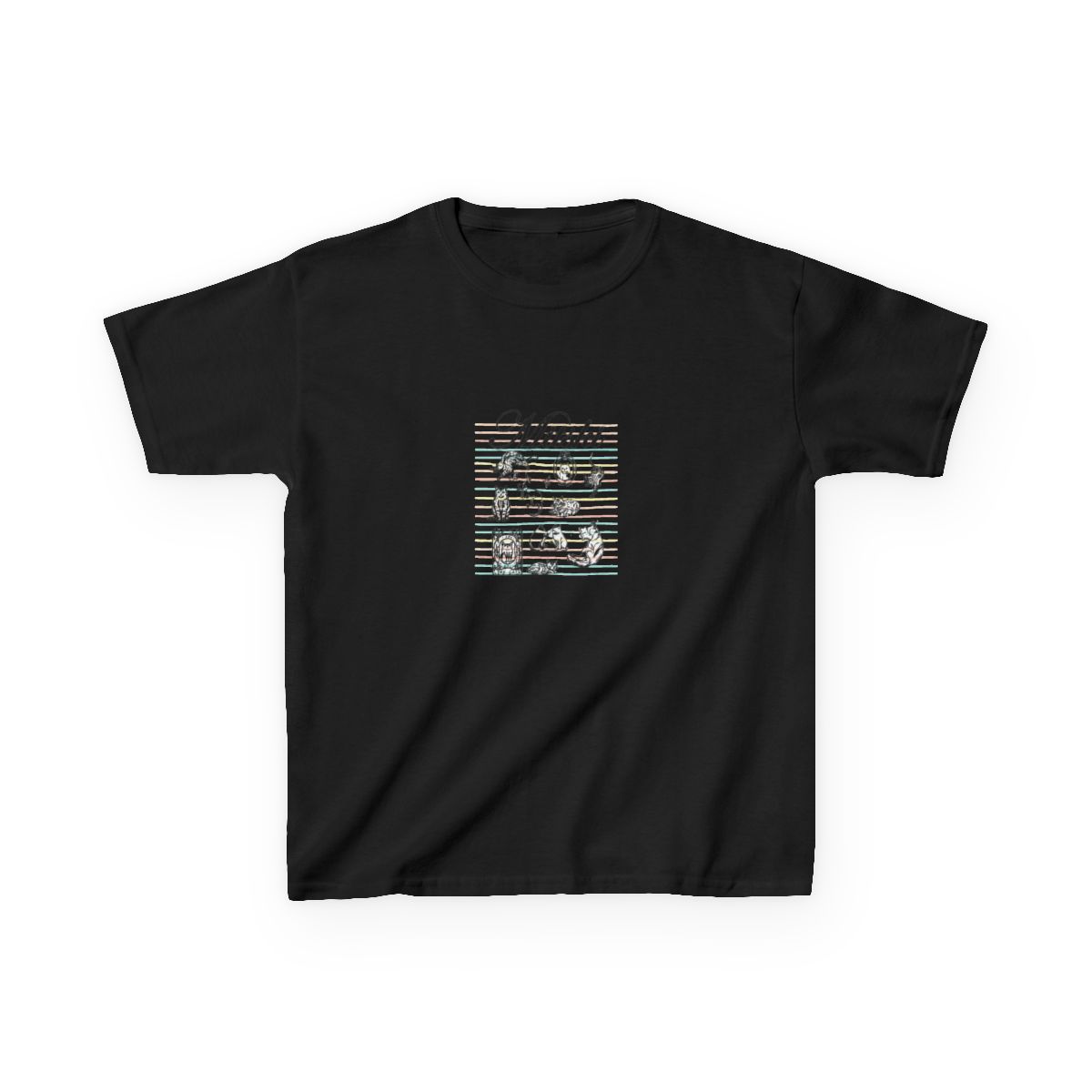
Genuine Mitski merch uses screen printing or high-density DTG that holds up to repeated washing. Counterfeit prints often crack after a few cycles or feel rubbery. Look at fine details: on the "Laurel Hell" album tee, the floral pattern should have clean edges, not bleeding ink. Hold the shirt up to light. If the print looks translucent or the fabric shows through unevenly, it's likely fake.
Pro tip: Compare font spacing. Official merch uses consistent kerning. Counterfeit printers often stretch or compress text to fit a template. The word "Mitski" on a legitimate tee should have the same spacing as the album art.
Fabric and Construction
Official Mitski tees are usually 100% ring-spun cotton or a tri-blend (cotton/poly/rayon). Fake merch often uses thin, scratchy cotton that pills after one wash. Check the neck tag. Authentic tags from the 2024-2026 tour use a woven label with the artist's name and size, not a printed sticker. The stitching on the hem and sleeves should be tight and straight, not loose or crooked.
Common mistake: People think tags alone prove authenticity. But counterfeiters now copy even woven labels. Always combine tag inspection with print and fabric checks.
Price and Availability
If a deal seems too good to be true, it is. Official Mitski tees from her store range from $35 to $60. Hoodies are $70-$90. A $15 "Mitski" shirt on a third-party marketplace is almost certainly counterfeit. Also be wary of "limited edition" reprints. Mitski's team releases items in small batches and rarely does full reissues. If a seller claims to have hundreds of a "sold out" design, that's a major red flag.
Pro tip: Use the wayback machine or archive.org to check the official store's screenshot of a sold-out item. Compare the product photos. Counterfeiters often use the same stolen images but with altered watermarking.